
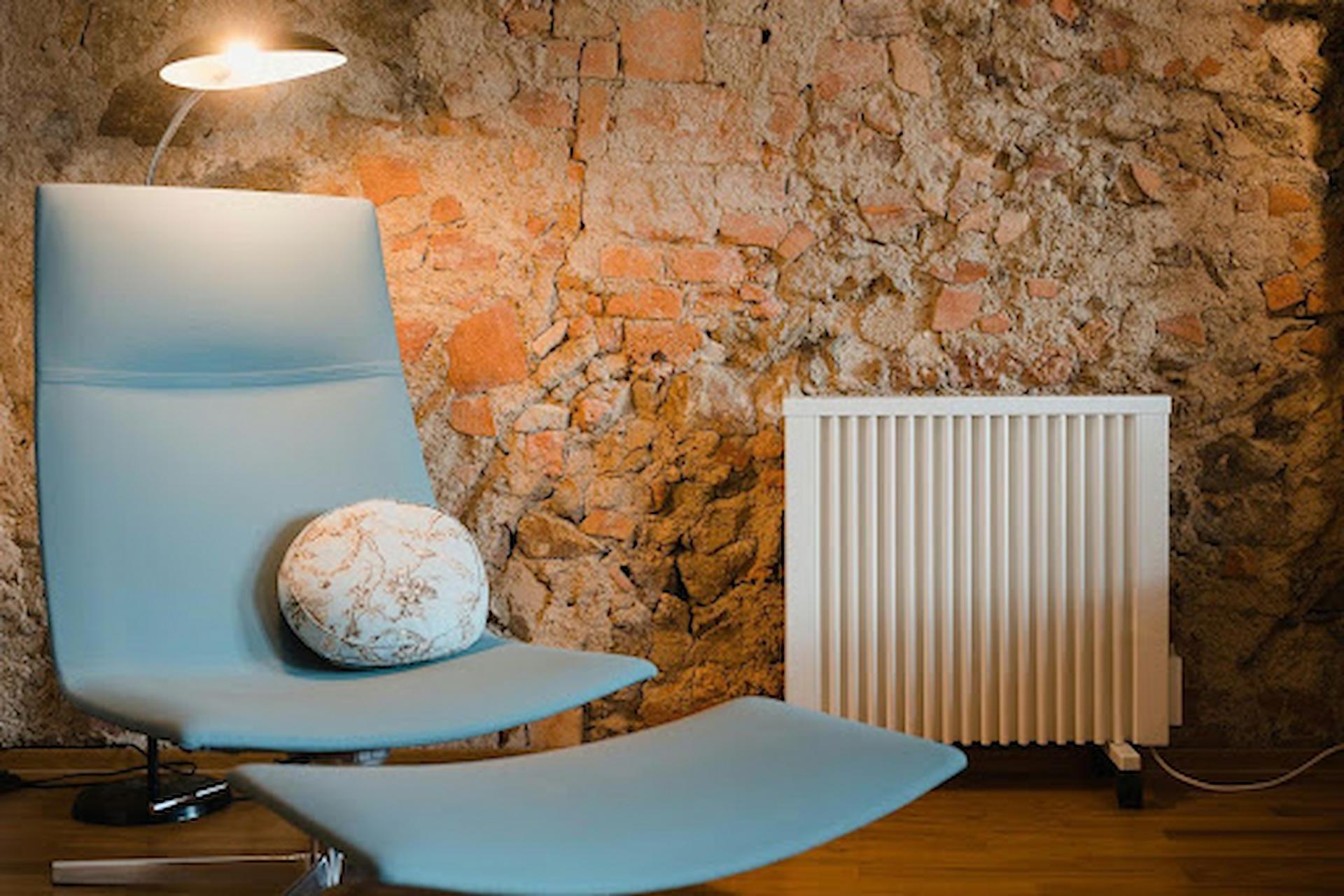
Modern electric radiators deliver consistent, room-wide heat with precise control and high energy efficiency. Placing them in the right rooms can boost comfort, reduce energy use, and maximize heating efficiency—all while keeping installation costs in check. Smart placement and choice turn these radiators into a practical, cost-effective upgrade for any living space.
Heating choices increasingly reflect how modern homes are used rather than how they were once designed. Electric radiators have become a practical option for targeted warmth, flexible control, and reduced reliance on central systems. When installed thoughtfully, they support comfort without unnecessary energy use. Understanding where electric radiators perform best also helps homeowners assess radiator installation costs more realistically, aligning heating investment with actual room demand rather than blanket coverage.
Living Rooms and Primary Sitting Areas
Living rooms benefit from predictable heating patterns and longer occupancy periods, making them well suited to electric radiators.
-
Why electric radiators work well here
Consistent daily use allows programmed heating schedules to deliver warmth only when required. This avoids background heating and improves efficiency.
-
Placement considerations
Wall-mounted positions away from soft furnishings allow even heat distribution. Choosing output based on room size prevents overheating and wasted energy.
-
Energy management advantages
Smart controls allow temperature adjustments based on time of day, supporting comfort during peak use while reducing unnecessary consumption.
Bedrooms and Sleeping Spaces
Bedrooms are well suited to electric radiators because they benefit from controlled, consistent heating rather than continuous output. Precise thermostatic control allows temperatures to be kept slightly lower overnight while preventing discomfort during colder periods. Electric radiators also support zoned heating, ensuring warmth is delivered only when bedrooms are in use, which helps maintain comfort without unnecessary energy demand.
Home Offices and Study Rooms
Home offices and study rooms often require heating for defined periods rather than throughout the day. Electric radiators respond quickly, making them ideal for spaces that are occupied intermittently. Their ability to operate independently from the main heating system allows users to maintain a comfortable working environment without increasing energy use elsewhere in the home, supporting both productivity and efficiency.
Bathrooms and En-Suites
Bathrooms require fast, controlled heating due to short usage periods and higher comfort expectations.
Moisture-friendly design
Electric bathroom radiators are designed to handle humid environments safely.
Rapid heat delivery
Quick response times ensure comfort without maintaining high temperatures throughout the day.
Efficiency considerations
Timed heating aligns well with daily routines, reducing overall energy demand.
Hallways and Transitional Areas
Hallways and transitional spaces typically lose heat quickly due to frequent movement and door openings. Electric radiators work effectively in these areas by providing supplemental warmth that stabilises indoor temperatures without extending full central heating coverage. Their compact design and responsive control help maintain comfort in spaces that are passed through often but occupied briefly..
Conservatories and Garden Rooms
Conservatories and garden rooms experience greater temperature variation than the main house, making flexible heating essential. Electric radiators allow these spaces to be heated only when needed, avoiding the inefficiency of maintaining constant warmth. Independent control ensures comfort during use while preventing heat loss from affecting the rest of the home, particularly during colder months.
Utility Rooms and Secondary Spaces
Utility rooms and secondary spaces generally require modest, occasional heating rather than sustained warmth. Electric radiators suit these areas by delivering reliable heat without over-specifying output or extending pipework. Their straightforward installation and standalone operation make them a practical choice for maintaining usability and protecting stored items without unnecessary energy consumption.
Key Factors When Choosing Rooms for Electric Radiators
-
Insulation quality
Well-insulated rooms retain heat longer, maximising radiator efficiency.
-
Room usage patterns
Frequently used spaces benefit most from responsive heating.
-
Electrical capacity
Assessing supply ensures safe, reliable operation without overloading circuits.
Frequently Asked Questions
Are electric radiators suitable for whole-house heating?
Electric radiators can heat an entire home effectively when used with room-by-room control. They work best in well-insulated properties where heating demand can be managed through zoning and programmable thermostats.
Do electric radiators cost more to run than central heating?
Running costs depend on usage patterns and insulation levels. Electric radiators often reduce overall energy use by heating only occupied rooms rather than the entire property.
Which rooms benefit most from electric radiators?
Bedrooms, home offices, bathrooms, and secondary spaces benefit most due to predictable usage and the need for precise temperature control rather than constant background heat.
Can electric radiators replace traditional radiators?
Electric radiators can replace traditional systems in many rooms, particularly where extending pipework is impractical or where independent heating control is preferred.
Do electric radiators require regular maintenance?
Electric radiators require minimal maintenance. Periodic checks of controls and electrical connections are usually sufficient to ensure long-term reliable performance.
Wrapping Up
Electric radiators offer targeted, efficient heating when matched to the right rooms. Living areas, bedrooms, home offices, and bathrooms benefit most from their responsive control and independent operation, while hallways and secondary spaces gain from supplementary warmth. By aligning radiator choice with room function, homeowners can improve comfort without unnecessary energy use. Careful planning also provides clearer insight into radiator installation costs, helping ensure heating investment delivers measurable value across the home rather than spreading resources too thinly.