
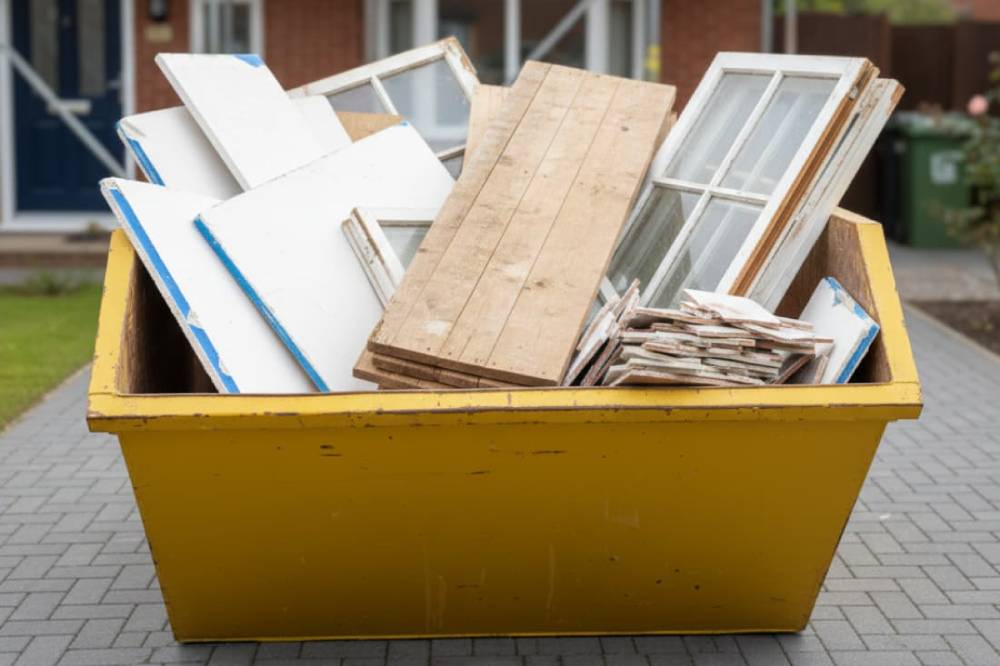
Hiring a skip is a convenient way to manage waste from home renovations, garden clearances, building work and general decluttering. However, not every type of rubbish can be placed in a standard skip. Certain materials require separate collection or specialist disposal because they may pose safety risks, contain hazardous substances or need specific treatment.
Before arranging skip hire Rickmansworth, it is worth checking which materials your provider accepts and whether any restrictions apply. Rules can vary according to the skip company, waste type and disposal facility. Knowing what can and cannot go into your skip helps you plan the job, avoid unexpected charges and dispose of unwanted materials responsibly.
What Waste Can Usually Go in a Skip?
Many everyday household and construction materials can be placed in a general waste skip, provided they are accepted by the supplier. Common examples include wood, cardboard, packaging, old furniture, non-electrical household items, bricks, tiles and certain renovation debris. Garden waste, such as branches, leaves and grass cuttings, may also be accepted, although separate green waste options can sometimes be available.
The type and quantity of waste matter when selecting a skip. Heavy materials such as soil, concrete and rubble can quickly reach the permitted weight limit, even when the container is not full. Ask the provider whether these materials need a dedicated skip and confirm any restrictions on mixed loads. Keeping recyclable materials separate where practical can also make waste management more efficient.
Items That Usually Need Separate Disposal
Some materials should not be placed in a standard mixed-waste skip because they require specialist handling or specific disposal arrangements. These may include asbestos, chemicals, solvents, paint products, fuel, oils and certain batteries. Electrical equipment, fridges and freezers may also be subject to separate collection requirements, depending on the item and the provider’s facilities.
When arranging skip hire Rickmansworth, tell the supplier about any unusual, potentially hazardous or specialist waste before booking. Never assume that a material is acceptable simply because it is no longer needed. If you are unsure whether an item can be included, describe it to the provider and follow its instructions for safe handling and disposal.
Common Household Items to Check Before Loading
Household clearances often produce a mixture of furniture, appliances, textiles and general rubbish. While some items may be suitable for a skip, others can be reused, recycled or collected through a dedicated service. Working electrical equipment, for example, may be suitable for donation, while broken electrical goods may need to go through an appropriate electrical waste collection route.
It is useful to sort items before loading the skip. Keep potentially restricted materials separate until their disposal route has been confirmed, and avoid mixing them with ordinary rubbish. Common items worth checking include:
- Mattresses and upholstered furniture.
- Fridges, freezers and other electrical appliances.
- Tyres and vehicle parts.
- Batteries and electronic equipment.
- Paint tins, chemicals and cleaning products.
Acceptance policies differ between providers, so confirm the rules rather than relying on a general list.
Construction and Garden Waste Restrictions
Building and renovation projects can generate substantial quantities of waste, including plasterboard, timber, bricks, concrete, insulation and soil. Some of these materials may be accepted in standard skips, while others require separate containers or specific disposal arrangements. Plasterboard, for example, may need to be kept separate from general waste because of the way it must be processed.
Garden projects can also produce materials that need careful sorting. Clean soil, turf, branches and green cuttings may be accepted under certain conditions, but large quantities of soil or rubble can exceed weight limits. Ask the supplier about load restrictions and whether mixed garden and construction waste is permitted. Clear guidance before work begins helps you choose the right container.
How to Load a Skip Safely and Responsibly
Loading a skip carefully helps make the best use of its capacity and reduces the risk of accidents. Place heavier accepted materials at the bottom and distribute the load evenly rather than concentrating weight in one area. Break down bulky items where safe to do so, and fill gaps with suitable waste without exceeding the container’s level-loading line.
Never overload a skip or allow waste to protrude above its permitted height. Overfilled containers may be unsafe to transport and could require waste to be removed before collection. Keep restricted items out, follow the supplier’s loading instructions and make sure the skip can be accessed safely. If the container needs to be placed on a public road, check whether a permit is required and who is responsible for arranging it.
Planning Waste Disposal Before You Book
A little preparation can prevent avoidable problems during a clearance or renovation. Estimate the volume and type of waste you expect to produce, then explain the details to the skip provider. This allows the supplier to recommend an appropriate size and clarify any limits on weight, materials or hire duration. If the project is likely to generate hazardous or specialist waste, arrange a suitable disposal method separately.
It is also sensible to ask what the quoted price includes, such as delivery, collection, the hire period and waste treatment. Check whether additional charges may apply for prohibited items, excess weight or an overloaded container. Clear information makes it easier to budget accurately and ensures that waste is directed towards an appropriate disposal route.
Conclusion
Knowing what can and cannot go in a skip helps make household clearances, garden work and building projects easier to manage. General waste, suitable wood, cardboard and certain construction materials are often accepted, while hazardous substances, electrical equipment and other restricted items may need separate arrangements. Always confirm the specific rules with your provider.
Before booking, sort your waste, estimate the quantity and ask about material restrictions, weight limits and additional charges. Following the supplier’s guidance helps avoid delays and supports responsible disposal. Choosing the right skip and preparing the waste properly can make your project more organised from the first load to the final collection.