
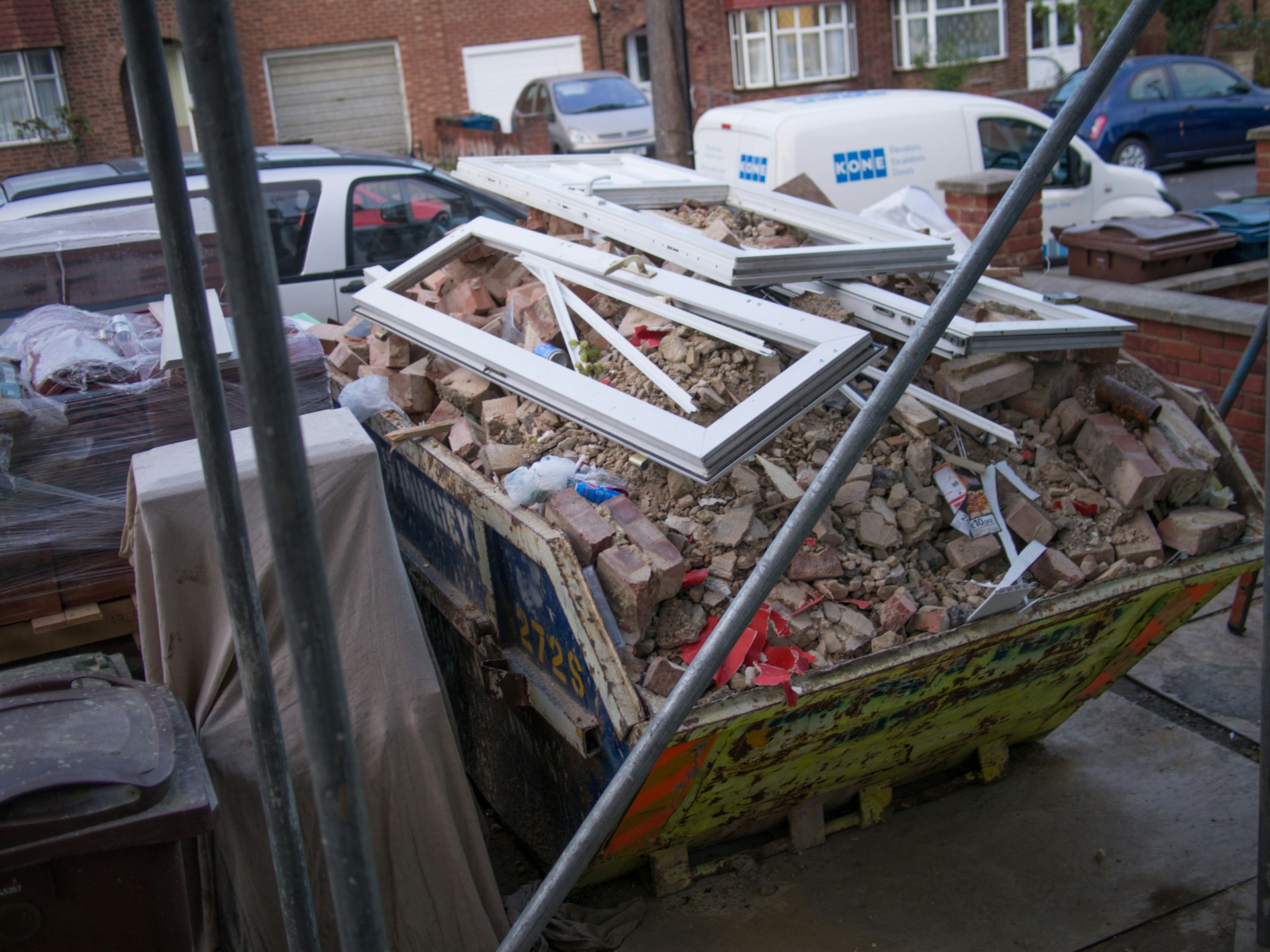
Managing waste during home improvements, garden projects, or property clearances can quickly become overwhelming. Piles of unwanted materials can slow down work and create unnecessary clutter. This is where organised waste removal becomes essential. Many homeowners and contractors rely on skip hire Slough services to handle waste efficiently while keeping projects tidy and compliant with local regulations.
However, before arranging a skip, it helps to understand a few basics. Knowing the right skip size, permit requirements, and acceptable waste types can save time and prevent unexpected issues.
Understanding Skip Permits in Slough
One of the most common questions people ask is whether a permit is required when hiring a skip. The answer depends on where the skip will be placed.
If the skip is positioned on private property, such as a driveway or garden, you generally do not need a permit. This is the simplest option for many households.
However, if the skip must sit on a public road or pavement, permission from the local council is required. This permit ensures the skip does not create safety hazards for pedestrians or traffic.
Permit rules usually include:
- A fixed time period for the skip placement
- Proper safety markings or reflective panels
- Clear visibility for drivers and pedestrians
Most professional skip companies handle the permit application on behalf of customers. This makes the process straightforward and reduces paperwork.
Planning ahead is still important. Permit approval can take a few days, so arranging it early helps avoid delays to your project.
Choosing the Right Skip Size
Selecting the correct skip size is another important step. Choosing one that is too small may lead to extra collections, while an oversized skip may increase costs unnecessarily.
Here are the most common skip sizes used in domestic and construction projects:
Mini Skips (2–3 Yard)
Mini skips are ideal for small household jobs. They work well for tasks such as:
- Garden waste removal
- Minor DIY projects
- Small garage clearances
They are compact and suitable for properties with limited space.
Midi Skips (4–5 Yard)
Midi skips are popular for moderate renovation projects. They can handle:
- Kitchen refurbishments
- Bathroom upgrades
- Flooring or carpet removal
These skips offer a good balance between capacity and space efficiency.
Builder’s Skips (6–8 Yard)
Builder’s skips are commonly used for larger home improvements and building work. They can take heavier materials such as bricks, soil, and rubble.
For major renovation projects or commercial work, larger skips may also be available. Waste management providers offering skip hire Slough often advise customers on the best size based on the type of waste involved.
What You Can Throw Away in a Skip
A skip is designed to handle many types of everyday waste. This makes it useful for a wide range of home and construction tasks.
Common items that can usually go into a skip include:
- Wood and timber
- Furniture
- Garden waste
- Soil and rubble
- Packaging materials
- Plastics and metals
- Old carpets and flooring
These materials are often sorted later at waste processing facilities. Many items are recycled or reused where possible.
Using a skip helps ensure waste is managed responsibly rather than ending up in landfill unnecessarily.
Items That Cannot Go in a Skip
While skips accept many types of waste, some materials are restricted for safety and environmental reasons.
Items typically not allowed include:
- Asbestos
- Gas cylinders
- Paint, solvents, or chemicals
- Electrical appliances in some cases
- Tyres and batteries
- Medical or hazardous waste
These items require specialised disposal methods. If unsure, it is always best to check with the skip provider before placing materials inside the container.
Following these rules helps avoid fines and ensures waste is handled safely.
Tips for a Smooth Skip Hire Experience
Hiring a skip can be simple when a few practical tips are followed.
First, estimate the volume of waste before ordering. This helps in choosing the right size and avoids overloading.
Second, think about skip placement. Ensure there is enough space for delivery and collection vehicles.
Third, avoid overfilling the skip. Waste should remain below the top edge for safe transport.
Finally, try to separate recyclable materials where possible. Many waste companies aim to recycle a large portion of collected waste, reducing environmental impact.
With good planning, skip hire becomes a convenient solution for keeping work areas clean and organised.
Conclusion
Effective waste management is a key part of any renovation, building project, or large household clean-up. Hiring a skip offers a practical and organised way to remove unwanted materials while keeping spaces tidy and safe.
By understanding permit requirements, choosing the right skip size, and knowing which materials can be disposed of, homeowners can avoid common problems and keep projects running smoothly. With proper planning and responsible waste disposal, skip hire becomes a reliable and efficient solution for managing everyday waste in Slough.